
Empowering Social Enterprises in Oxfordshire through New Funding Models
Owned by Oxford partner Co-operative Futures has just launched an exciting new feasibility study that explores a roadmap for a local social investment fund in Oxfordshire aimed at social enterprises.

Social enterprises can play an important role in creating more resilient local economies, by creating dignified jobs, strengthening local supply chains, and ensuring that wealth circulates within the local community. They can also address challenges that traditional businesses overlook, such as providing essential services in underserved areas.
Yet locally and nationally, the social enterprise sector has been held back by a lack of suitable financing options to support these businesses to start up and scale up.
The feasibility study offers a vision for a local social investment fund that could address this issue: a fund that prioritises social return and helps local, purpose-driven enterprises thrive.
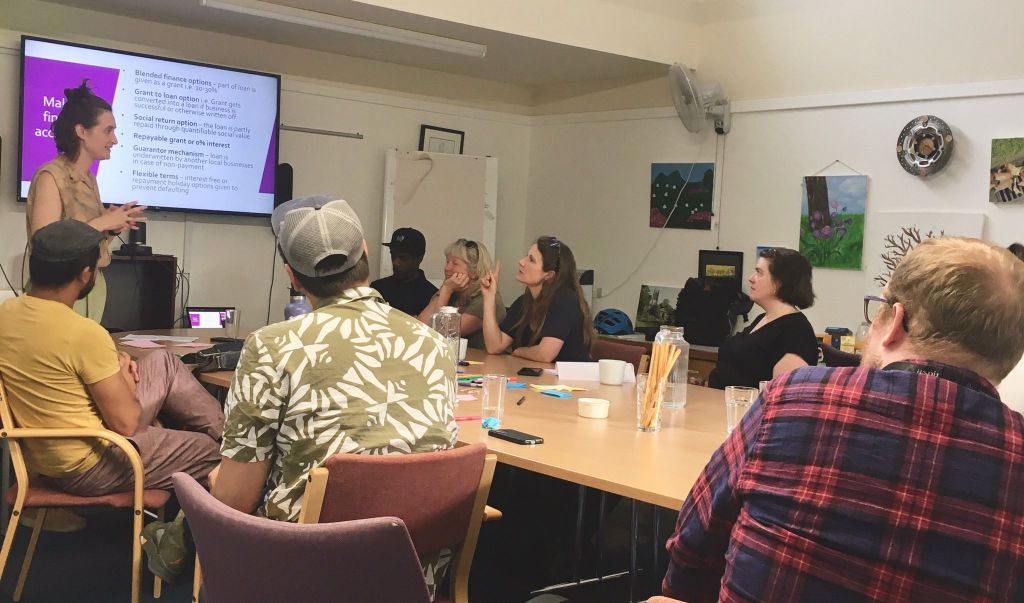
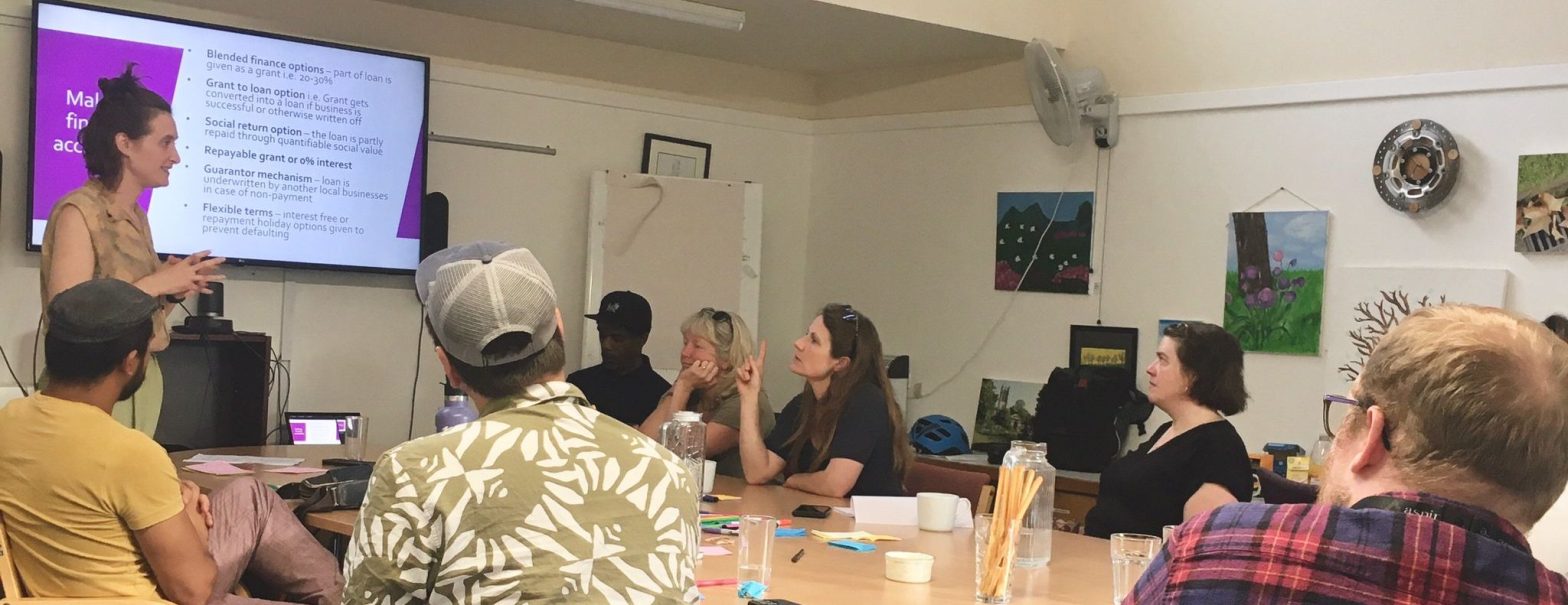
It delves into mechanisms for making the finance more accessible, for example by offering low-interest loans or grants that can be converted to loans, and providing business development support to enable businesses to become investment ready.
The study points to successful community-led social investment funds who centred local residents in the design and delivery of the fund, such as Barking & Dagenham Giving and Kindred. The idea of “participatory investment” – also known as “democratic money” has become widespread in the social investment sector. The notion behind this is that investment should not happen to communities, but with them and that local people should be at the heart of decisions that shape the places in which they live.
In the words of Barking and Dagenham Giving,
“for too long the people who are most affected by funding decisions have been excluded from the decision-making process”.
They sought to address this by making sure to have strong leadership from those who have been traditionally excluded from the mainstream economy, such as BME and working-class communities.

Barking and Dagenham Giving have a Community Steering Group made up of local residents, who have been involved with designing the fund and deciding how funds are allocated. As a result of this participatory approach, their programmes have attracted a wide range of applicants – such as their GROW programme, in which 60% of the fund recipients were Black-led businesses and 70% were led by women.
The study was carried out with support from OSEP CIC, Aspire, CAG Oxfordshire and funding from Oxford City Council.

 Owned by Oxford
You must be logged in to post a comment.